


Migrating to Linux
Over the past few years on building out my homelab. Learning a lot from working with opensource projects and how they all connect and work together. Getting a grasp on how the command line works along with the graphical user interface (GUI). Spending many nights on reddit forums and on YouTube Homelab channels researching what I can use in my homelab. Seeing how Linux has progressed in the last 2 decades is amazing. Remembering taking a Linux Enterprise class in College and seeing how RedHat was installed and working in the enterprise setting. To see what is currently gaining popularity with handheld pcs such as SteamDecks, Desktop and Laptop PCs, and Servers. It is amazing how Linux drives a lot of the technology we use today.
Starting out with building out my HomeLab Servers. My first servers were repurposed desktop hardware. Currently my NAS is running OpenMediaVault currently. Then added a VM server such as Proxmox cause I did not wanted to pay for a VM Server license. My firewall went through many revisions. Started off as Netgear Wireless Router to Mini PC with a Celeron CPU that couldn’t handle VLANS, to currently using repurposed desktop hardware running pfsense. All servers are running ECC RAM, SFP+ 10gb NICs, Frontier 2gb Fiber Internet that expanded capabilities even more. Working more on Linux Servers and setting up many services such as Nextcloud that replaced my entire Google Stack. Hosting Gameservers for family and friends to play with. Every service I added on my homelab saved me money. Pocketing the money and pay my electric bill. Understanding I am taking the risk if tech has unexpected issues then I have to resolve the issue. When things break is when I learn the most.
The last year I started to experiment more on using Linux on my personal laptop. Starting off with installing PopOS. I enjoyed the MacOS style to which I was comfortable. Used MacOS for more than a decade while working as Tech Support at School Districts. Then distro hopped to many other Linux Distributions. Pushing myself to try a 30 day challenge, to quickly reverted back to Windows when things became difficult. Reading on the difference between Debian, Fedora and Arch Linux. Sticking mainly to Debian forks.After the 3rd time finding Kubuntu Linux was more easier to learn and work with. The KDE Desktop environment felt more similar to Windows Menu Layout. Really enjoying learning about Linux. Stayed with Kubuntu for over a year and felt more at ease and was my daily driver on my laptop. Did not revert back to windows as of yet. Once I was able to play World of Warcraft on Kubuntu I knew I was on the right track.
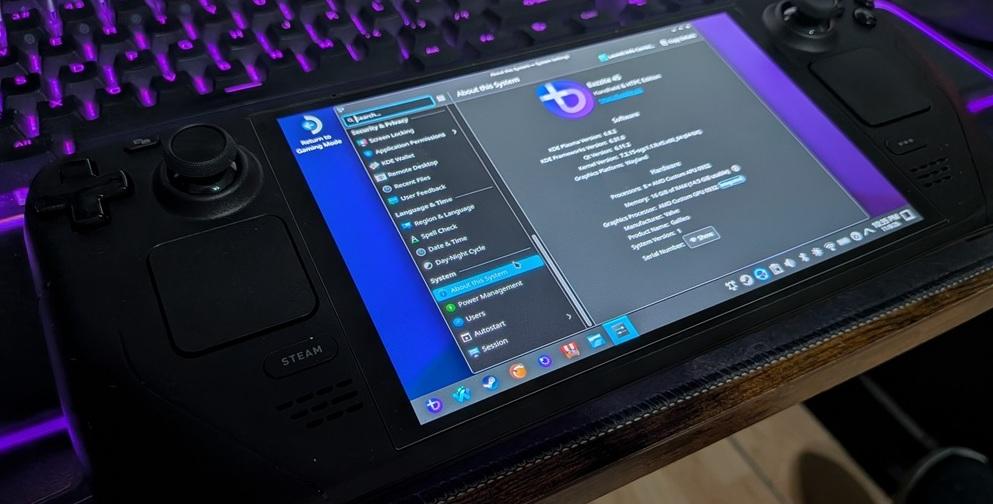
Then a co-worker mentioned he was going to purchase the Rog Ally with Windows. I found the steamdeck cheaper and it came with SteamOS (Arch Based) and bought it. At first, there was a known bug with the steamdeck WiFi not working correctly. I reached out to steamsupport and they gave me a work around. The workaround was making my WiFi speed work a lot slower and the SteamDeck kept on initiating an OS verification check that was getting annoying. Looked for alternatives and found Bazzite OS which is based on Fedora. Installed and replaced SteamOS with Bazzite and has been stable on WiFi and no OS verification and been smooth gameplay.
Having built new Desktop and HTPC last year. Reading the reviews on how many users were upset with Windows removing the local accounts. Decided I would try to replace Windows on my HTPC for Fedora KDE. There was a bit of tinkering to get it just right. The Realtek 2.5gb NIC had to be upgraded for them to work at peak efficiency. It was a simply update command and has worked.
Computers running Linux on my home network have outnumbered my computers that run Windows. 3 Linux to 1 Windows. If I were to add my raspberry pi’s then it would 5 to 1. Main reason for the switch was to learn, then about local accounts then security and privacy.


